

Felony DUI vs. Misdemeanor DUI: Understanding the Key Differences
In Missouri, a DUI charge (referred to legally as a DWI) is not always a felony. Many first-time offenses are classified as misdemeanors, and they can be resolved without lifelong consequences if handled properly.
However, some situations can escalate the same charge into a felony, which carries far more severe penalties and long-term consequences. Knowing where your case stands and where it may go is crucial to developing a solid defense strategy.
At Walker Law LLC in Chesterfield, Missouri, I often meet with clients who have been charged with driving while intoxicated (DWI) and who don’t fully understand the distinction between a misdemeanor and a felony DWI under Missouri law.
That lack of clarity can create unnecessary fear, or worse, lead to poor decisions during the early stages of a case. My goal in every criminal defense matter is to help people understand the legal realities and what is at stake so they can make informed choices about how to move forward.
What Classifies a DUI as a Misdemeanor?
Under Missouri law, a first or second DWI offense without aggravating circumstances is typically charged as a misdemeanor. These cases are serious, but they generally involve shorter jail time, smaller fines, and fewer long-term restrictions. For most people, a misdemeanor DWI is a wake-up call, not a permanent roadblock. Still, even a misdemeanor conviction can affect:
- Insurance rates
- Employment opportunities
- Professional licenses
From a criminal defense perspective, a misdemeanor DWI often presents a chance to seek a reduced charge, a suspended sentence, or alternative sentencing, such as community service or alcohol treatment. These options are typically available to individuals who are willing to accept responsibility and have no significant criminal history.
When Does a DUI Become a Felony?
In Missouri, a DWI becomes a felony when it involves aggravating factors. The most common reason is prior offenses. A third DWI during a specific time frame, for example, is usually charged as a felony. Other aggravating factors include causing injury or death to another person while driving under the influence or having a minor in the vehicle at the time of arrest.
Missouri law categorizes felony DWI offenders into different levels: “persistent,” “aggravated,” and “chronic.” These classifications are based on the number and severity of previous offenses and affect the potential sentencing range. A persistent offender, for instance, has two or more prior alcohol-related convictions, while a chronic offender has four or more.
Felony DWIs carry longer prison terms, higher fines, and longer license suspensions. In many cases, a conviction can result in mandatory incarceration without the possibility of parole.
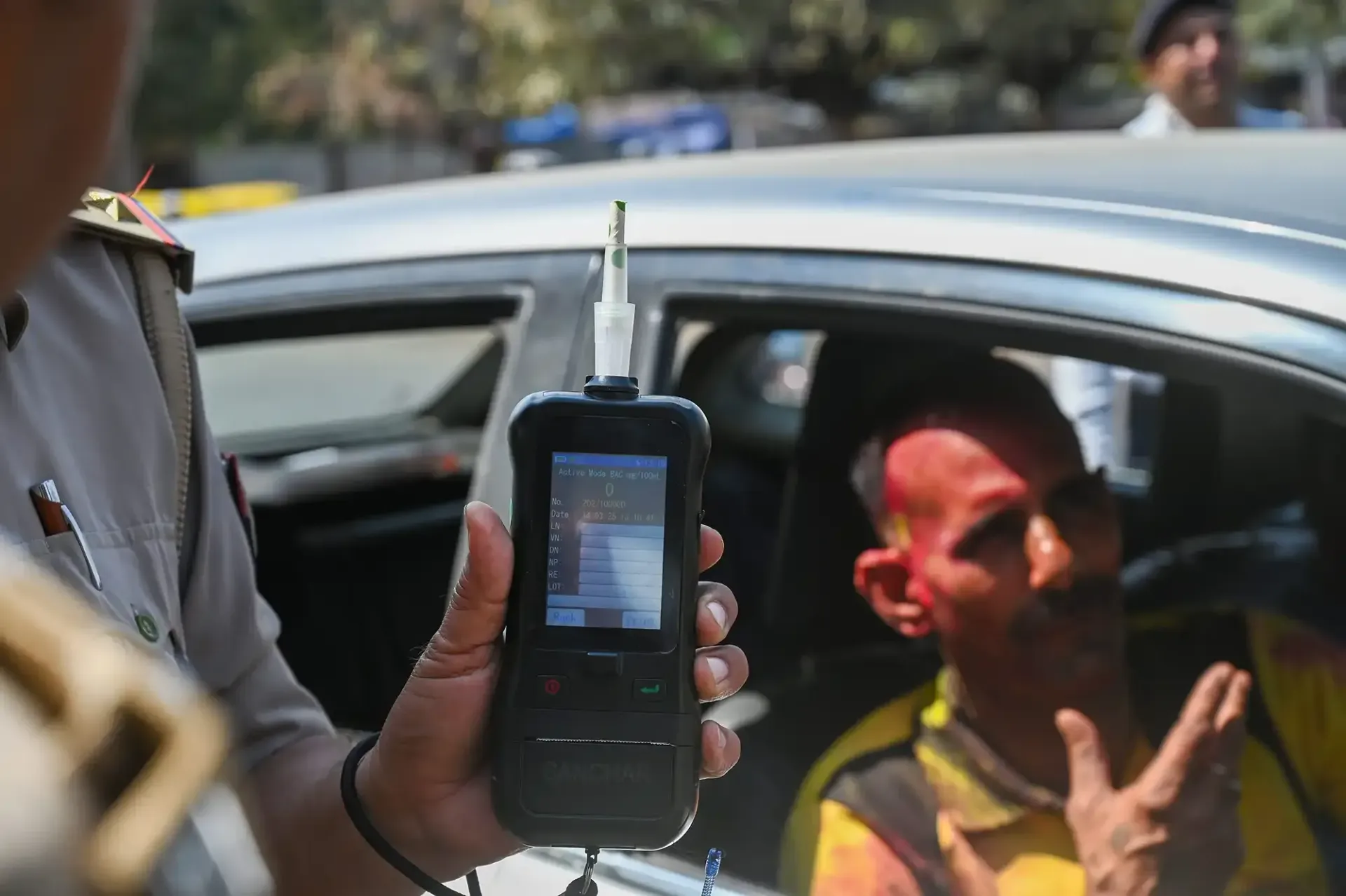
That’s why it's important to consult a criminal defense attorney as soon as possible. When a client is facing a felony DWI charge, an attorney can help review every aspect of the stop, arrest, and evidence. Even small issues, such as a faulty breath test or a lack of probable cause, can significantly impact how a case unfolds.
Sentencing for Felony and Misdemeanor DWI
In Missouri, there are stark contrasts when sentencing for misdemeanor and felony DWI cases. A misdemeanor DWI conviction can result in up to six months in jail, a fine of up to $1,000, and a license suspension. However, with proper legal representation, many first-time offenders may be able to avoid jail time or serve it on weekends or through house arrest.
Felony convictions, on the other hand, often involve multi-year prison sentences. A Class E felony DWI, such as a third offense, can lead to up to four years in prison. More serious classifications can result in up to 10 or even 15 years, particularly if the offense involved injury or death.
From a criminal defense standpoint, sentencing is one of the most critical areas to address early in a case. By getting involved promptly, an attorney can often explore alternative resolutions, advocate for treatment-based options, or present mitigating factors that justify leniency. However, it's essential to note that Judges have limited discretion in some cases, particularly when mandatory minimums apply.
Impact on Driving Privileges
Both misdemeanor and felony DWI convictions come with license consequences, but the duration and conditions differ significantly. For a first offense, most drivers face a 90-day suspension, with limited driving privileges available after 30 days if an ignition interlock device is installed on the vehicle.
Felony convictions, particularly those involving multiple prior offenses, can result in the revocation of driving privileges for 10 years or more. In some cases, you must petition the court for reinstatement after serving the revocation period, but reinstatement isn’t guaranteed.
As a criminal defense attorney, I pay close attention to the driving record and the specific facts surrounding the stop. Timing is critical, especially when challenging an administrative suspension through the Missouri Department of Revenue. A successful appeal can preserve driving privileges and strengthen the overall defense in the criminal case.
Collateral Consequences Outside of the Courtroom
What often surprises clients the most is the long-term consequences that come with any DWI conviction, especially a felony. These include difficulty finding employment, restrictions on professional licensing, problems with child custody, and loss of certain civil rights. A felony conviction may also disqualify a person from owning a firearm or holding public office.
Additionally, insurance premiums usually increase significantly, and some companies refuse to insure drivers with DWI histories at all. For those with commercial driver’s licenses, a conviction may result in permanent disqualification, even if the offense occurred in a personal vehicle.
These realities are why criminal defense cannot stop at the courtroom door. My job is to examine the entire picture and help clients make informed decisions that will protect their rights now and in the years to come. Every conviction has a ripple effect, but the right legal approach can minimize that impact.
DWI and Employment Background Checks
Missouri employers routinely conduct criminal background checks, and both misdemeanor and felony DWI convictions appear during this process. Even a single DWI can prevent someone from getting a job that involves driving, working with vulnerable populations, or handling sensitive or confidential information.
Felony convictions are particularly damaging in this regard. Many employers have blanket policies against hiring individuals with felony records, particularly for positions that require trust or security clearance. For that reason, avoiding a felony conviction or having it reduced to a misdemeanor is often one of the most important objectives in any criminal defense strategy.
When representing clients facing employment challenges due to a pending DWI charge, an attorney will work closely with you to gather documentation, character references, and professional evaluations. These materials can support efforts to show rehabilitation and responsibility. An attorney may also be helpful in plea discussions or sentencing.
Sealing Your Records of Work Toward Expungement
Missouri allows for expungement of certain criminal records under specific conditions. For many misdemeanor DUI convictions, you may petition for expungement after 10 years, provided you have not reoffended and have fulfilled all the terms of your sentence.
Felony DUIs are significantly more difficult to expunge and are often ineligible, depending on the classification and specific facts of the case. However, some record relief may still be available in limited circumstances, highlighting the importance of reliable legal representation.
Contact a DUI Attorney Today
Criminal defense is not just about getting someone through the immediate crisis; it's about protecting future options, including the right to clear a record when legally possible. Even if expungement isn't currently available, avoiding a felony conviction now can potentially preserve that option in the future.
At Walker Law LLC, I am experienced in crafting effective, assertive criminal defense strategies tailored to each client's unique needs. With offices in Wentzville, Town and Country, and Cottleville, Missouri, I’m serve clients throughout Chesterfield and the surrounding areas of St. Louis County and St. Charles County. Reach out to me today to schedule a consultation.